

Why You’ll Love This
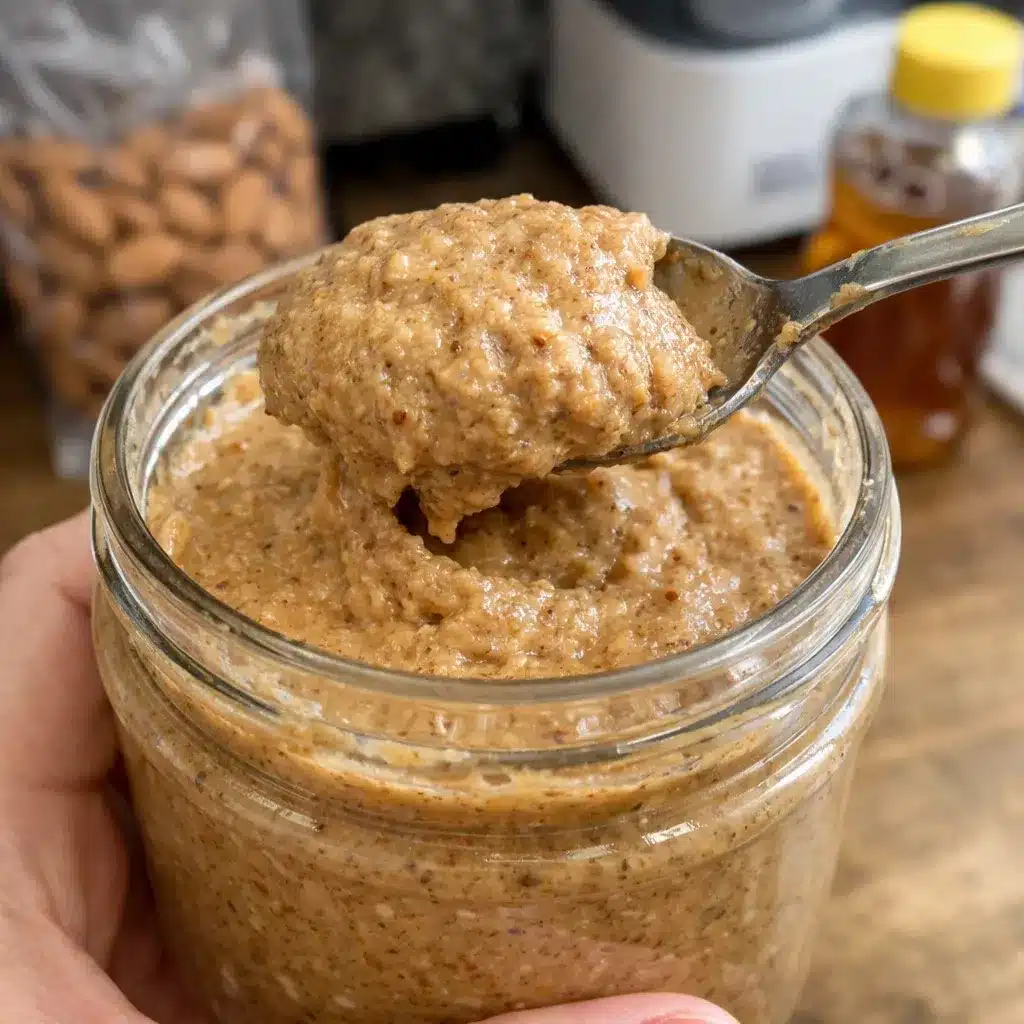
Homemade Nut Butter is incredibly fresh, creamy, and customizable. Whether you choose almonds or peanuts, making nut butter at home allows you to control the ingredients, sweetness, and texture. It’s healthier than many store-bought versions because it contains no preservatives or unnecessary additives. Plus, it’s surprisingly easy to make with just one main ingredient and a food processor.
Ingredients
● 2 cups raw or roasted almonds or roasted peanuts
● 1–2 teaspoons neutral oil (optional, such as coconut oil, avocado oil, or peanut oil)
● ¼ teaspoon salt (optional, adjust to taste)
● 1–2 teaspoons honey or maple syrup (optional, for sweetness)
● ½ teaspoon cinnamon or vanilla extract (optional flavor variation)
Preparation Instructions
-
Prepare the nuts
If using raw almonds, roast them in the oven at 350°F (175°C) for about 10–12 minutes to enhance flavor and make blending easier. Allow them to cool slightly. -
Add nuts to the food processor
Place the roasted almonds or peanuts into a high-powered food processor. -
Begin blending
Blend on high speed. At first, the nuts will turn into a crumbly texture. -
Continue processing
After a few minutes, the mixture will start to clump together and become thicker as the natural oils release. -
Scrape the sides
Stop occasionally to scrape down the sides of the processor bowl to ensure even blending. -
Achieve smooth texture
Continue blending for 8–12 minutes until the mixture becomes smooth and creamy. -
Add optional ingredients
If desired, add oil for extra creaminess, salt for flavor, or honey/maple syrup for sweetness. Blend again until well combined. -
Transfer and cool
Transfer the nut butter into a clean jar or airtight container.
Kitchen Tools You’ll Need
-
Food processor or high-powered blender
-
Baking sheet (if roasting nuts)
-
Spatula
-
Airtight glass jar or container
-
Measuring spoons
Tips
-
Be patient while blending—nut butter can take several minutes to become smooth.
-
Roasting the nuts first helps release their natural oils and improves flavor.
-
Avoid overheating your processor by pausing if it gets too warm.
-
Chunky nut butter can be made by adding a handful of chopped nuts at the end.
-
Experiment with flavors like cocoa powder, cinnamon, or a pinch of sea salt.
Serving Suggestions
Homemade nut butter is incredibly versatile. Try it with:
-
Toast or bagels
-
Smoothies or smoothie bowls
-
Pancakes or waffles
-
Oatmeal or yogurt
-
Apple slices, bananas, or celery sticks
-
As an ingredient in sauces, baking, or energy balls
Storage
Refrigerator:
Store homemade nut butter in an airtight jar in the refrigerator for up to 3–4 weeks.
Room Temperature:
It can stay at room temperature for about 1 week if your kitchen is cool.
Freezer:
Nut butter can be frozen for up to 3 months in freezer-safe containers.
Before Using:
Natural separation may occur. Simply stir the nut butter before using.
FAQs
1. Why is my nut butter not becoming smooth?
It may need more blending time. Continue processing and scrape down the sides periodically. A small amount of oil can also help.
2. Can I make nut butter without oil?
Yes. Nuts contain natural oils that usually make the butter creamy without added oil.
3. Can I mix different nuts together?
Absolutely. Combinations like almond-cashew or peanut-almond create unique and delicious flavors.
Conclusion
Homemade Nut Butter is a simple, nutritious, and customizable staple that can elevate many meals and snacks. With just a few ingredients and a food processor, you can create fresh, creamy nut butter tailored to your taste. Once you try making it at home, you may never go back to store-bought versions.
Nutrition Information (Approximate per 2 tablespoons – almond version)
-
Calories: 190 kcal
-
Protein: 7 g
-
Carbohydrates: 6 g
-
Fat: 16 g
-
Saturated Fat: 1 g
-
Fiber: 3 g
-
Sugar: 1 g
-
Sodium: 1–60 mg (depending on added salt)


